


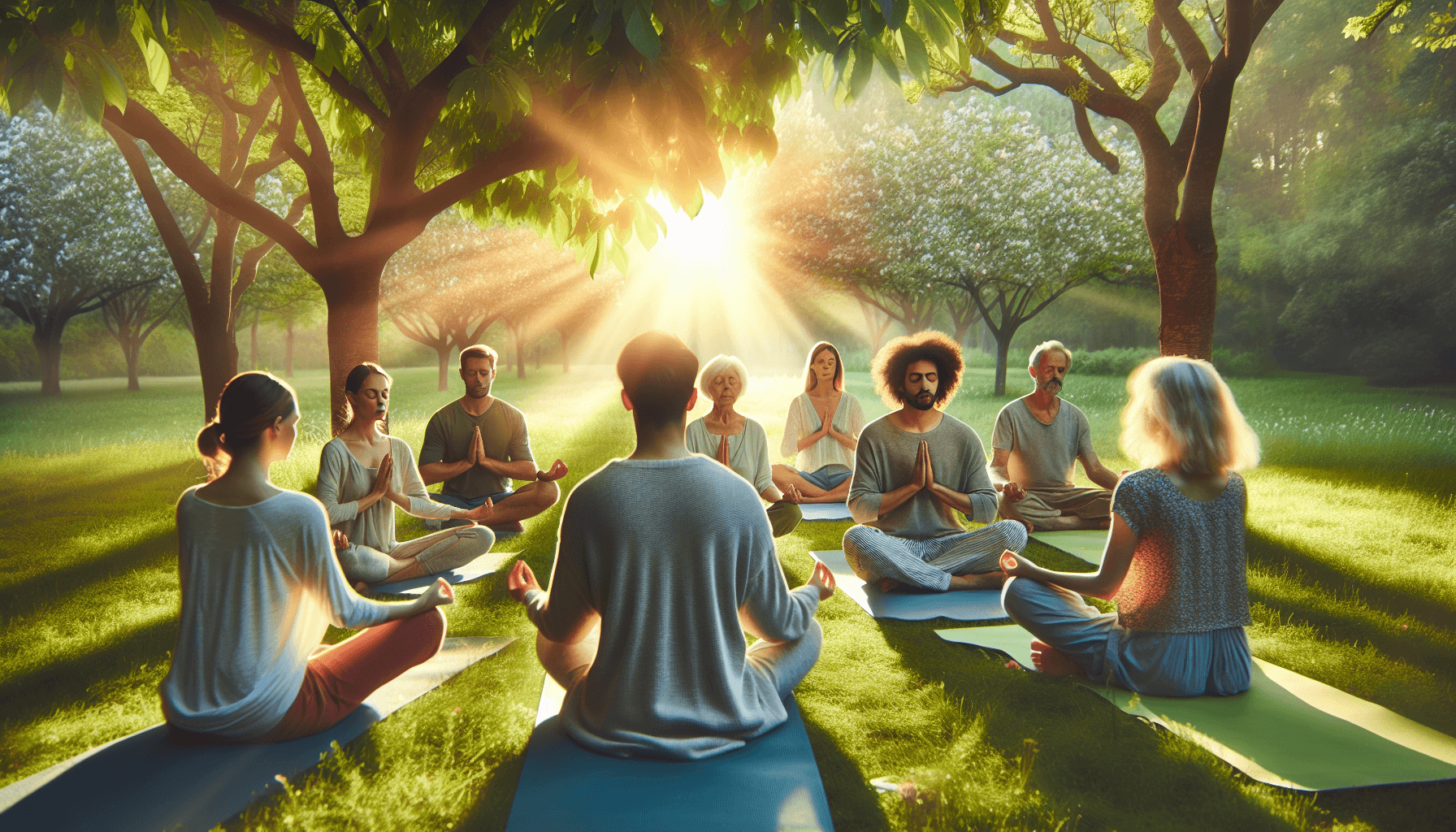

Achieving harmony and balance through regular meditation is more than just an aspiration; it's a tangible reality for many who practice it consistently. In a world inundated with stress and distractions, finding a sanctuary within oneself can be transformative. Meditation serves as a tool to cultivate inner peace and balance amidst life's chaos.
For those who are new to meditation or considering it, it's crucial to understand its potential for fostering a harmonious life. Whether you're seeking stress relief, emotional balance, or a deeper connection with yourself, meditation can be your guiding light. Notably, this practice is accessible to everyone, regardless of age or lifestyle. The journey to a balanced life through meditation is personal and unique, yet universally rewarding. If you're just starting, you might find our guide on simple meditation practices for beginners helpful.
Understanding Meditation
Meditation is often misunderstood as a practice reserved for spiritual gurus or those with endless patience. However, it's far more accessible than many realize. At its core, meditation is about focusing the mind and cultivating awareness. It's a practice that encourages individuals to be present, fostering a sense of calm and clarity. According to a report by the National Center for Complementary and Integrative Health, around 14.2% of U.S. adults have tried meditation at least once, illustrating its growing popularity as a tool for mental well-being.[1]
One advantage of meditation is its flexibility. It doesn't require any special equipment or location; all you need is a willingness to explore your inner world.
Keep in mind that meditation is not about emptying the mind but rather about observing thoughts without judgment. This practice can help you develop a deeper understanding of yourself and your reactions to the world around you. For more on cultivating inner peace, consider exploring creating inner peace with effective mindful meditation techniques.
The Tree and Bird Analogy
Imagine your mind as a tree and your thoughts as birds. The tree stands firm and rooted, while birds come and go, flitting from branch to branch. Meditation teaches you to be like the tree, observing the birds without getting caught up in their movements. This analogy beautifully illustrates the essence of meditation—being present and grounded amidst the constant flow of thoughts.
A benefit here is that by adopting this mindset, you begin to detach from the chaos of your thoughts. You learn that thoughts are transient and don't define you.
This realization can lead to a profound sense of peace and balance, as you become less reactive to external stimuli and more centered within yourself. This approach is akin to achieving life balance with consistent meditation techniques.
Embracing Distractions
Contrary to popular belief, distractions during meditation are not failures. They're opportunities to practice mindfulness. When your mind wanders, gently bringing it back to your point of focus—whether it's your breath, a mantra, or a visualization—is where the true practice lies. As meditation expert Sharon Salzberg says, "Mindfulness isn't difficult, we just need to remember to do it."[2] Every distraction is a chance to strengthen your ability to concentrate and be present.
Embracing distractions can also teach patience and self-compassion. It's normal for the mind to wander, especially when you're new to meditation. Instead of getting frustrated, acknowledge the distraction and return your attention to the present moment.
This practice of gentle redirection can extend beyond meditation, helping you handle life's interruptions with grace and ease. For more on building resilience, you might find resilience building methods through mindful meditation techniques insightful.
The Octopus Approach to Daily Life
Consider adopting the octopus approach to life—a metaphor for managing multiple tasks while staying centered. Just as an octopus uses its arms to handle various tasks simultaneously, meditation equips you with the mental clarity and focus needed to juggle life's demands without losing your sense of balance.
One advantage of this approach is that it allows you to engage fully with each task, rather than feeling overwhelmed by all of them at once.
By integrating meditation into your daily routine, you cultivate a mindset that can handle complexity with calm and composure. This adaptability is a powerful tool for achieving harmony in both personal and professional spheres. If you're looking for ways to incorporate meditation into a busy schedule, consider our post on how to integrate meditation into your busy daily schedule.
Benefits of Regular Meditation
The benefits of regular meditation extend beyond mere relaxation. Physically, it can lower blood pressure, improve sleep quality, and boost the immune system. Mentally, it enhances concentration, reduces anxiety, and fosters emotional resilience. Socially, it can improve relationships, as a calmer mind often leads to more compassionate interactions.
A big plus of regular meditation is its ability to cultivate self-awareness. As you become more attuned to your thoughts and feelings, you gain insights into your behaviors and motivations.
This heightened awareness can lead to personal growth and a deeper understanding of your place in the world. Remember, the journey of meditation is ongoing, and its benefits continue to unfold over time. For those interested in personal growth through meditation, explore using meditation for self-discovery and personal growth.
Tips for Starting Your Practice
Starting a meditation practice can be daunting, but it doesn't have to be. Begin by setting aside a few minutes each day to sit quietly and focus on your breath. Consistency is key, so try to meditate at the same time each day to build a habit.
Keep in mind that the goal is not to achieve perfect stillness but to cultivate awareness.
Experiment with different meditation techniques to find what resonates with you. Guided meditations can be particularly helpful for beginners, providing structure and focus. Be patient with yourself and remember that meditation is a practice. Over time, you'll develop a rhythm that suits your lifestyle and goals. For a structured approach, check out unleashing mental clarity through daily meditation practices.
Finding Your Meditation Style
There are numerous meditation styles, each offering unique benefits. Mindfulness meditation emphasizes awareness and acceptance of the present moment. Transcendental meditation involves silently repeating a mantra to settle the mind. Loving-kindness meditation focuses on cultivating compassion for oneself and others.
Explore various styles to discover what aligns with your needs and preferences. You might find that different styles suit different aspects of your life or that your preferences evolve over time.
Side note: the beauty of meditation is its adaptability, allowing you to tailor your practice to your ever-changing life circumstances.
Conclusion
Incorporating regular meditation into your life can lead to profound harmony and balance. It's a journey of self-discovery, offering insights into your mind and emotions. As you cultivate this practice, you'll likely find that the benefits extend beyond your meditation sessions, influencing how you navigate life's challenges with grace and equanimity.
Remember, meditation is a personal journey, and there's no right or wrong way to practice. Embrace the process, be patient with yourself, and allow the practice to unfold naturally. In time, you'll discover a deeper sense of harmony and balance that enriches every aspect of your life.
References
- National Center for Complementary and Integrative Health. (2020). Meditation: In Depth. https://nccih.nih.gov/health/meditation/overview.htm
- Salzberg, S. (n.d.). Quote on Mindfulness. Retrieved from https://www.goodreads.com/quotes/104537-mindfulness-isn-t-difficult-we-just-need-to-remember-to-do-it
