


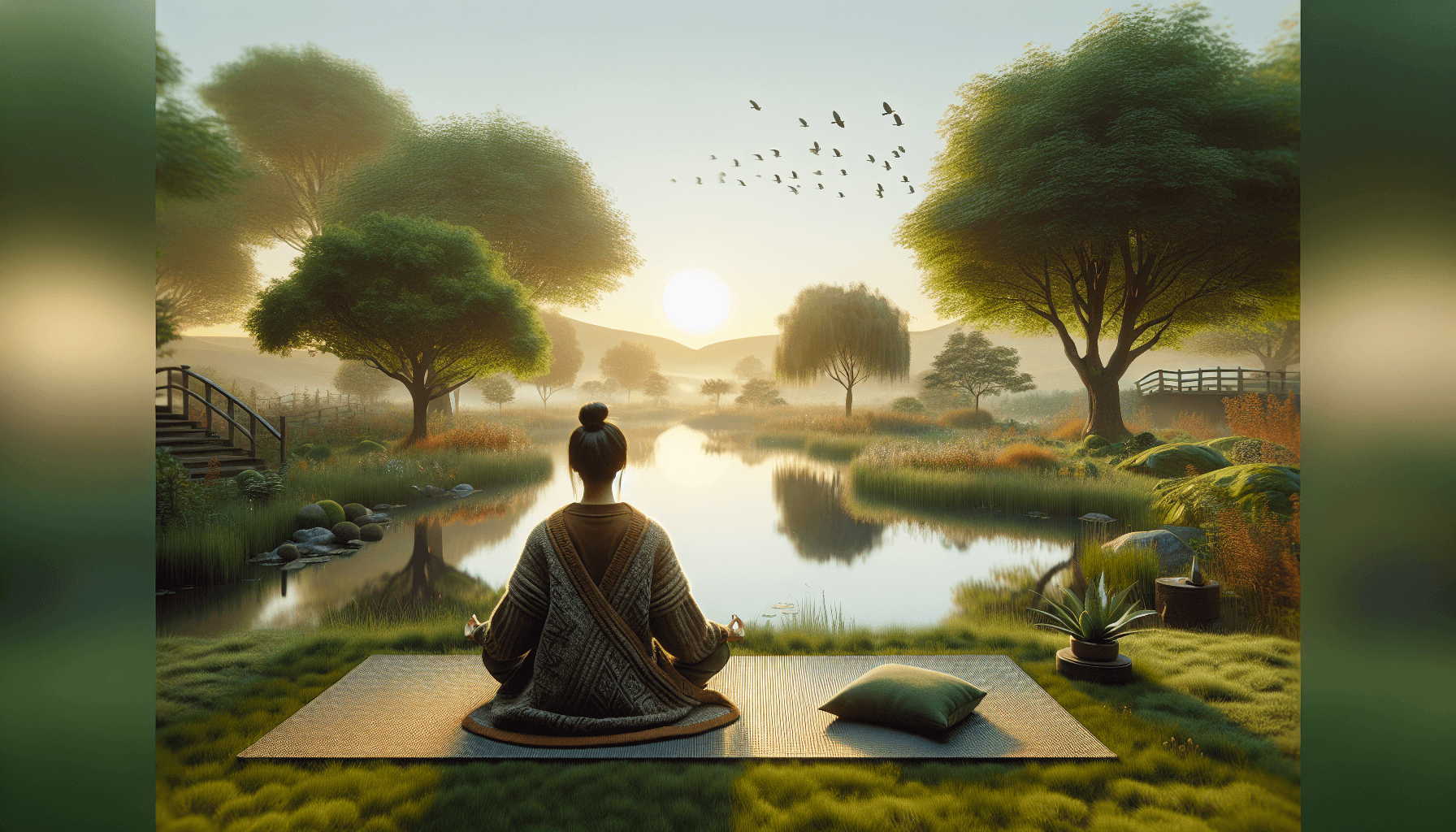

Embarking on the journey to embrace your inner stillness through daily meditation can be a transformative experience. For those who feel overwhelmed by the constant demands of life, meditation offers a sanctuary—a moment to pause, breathe, and reconnect with oneself.
This article is crafted for individuals seeking a reprieve from life's chaos, those who wish to cultivate a sense of calm amidst the storm. Whether you're a seasoned meditator or a curious beginner, this guide aims to provide you with insights and practical steps to incorporate meditation into your daily routine.
Meditation is not about escaping reality but rather about facing it with a renewed sense of clarity and peace. Keep in mind that the path to inner stillness is unique to each person, and there's no one-size-fits-all approach.
The following sections will explore the essence of inner stillness, the benefits of daily meditation, and how you can seamlessly integrate this practice into your life. So, take a deep breath, and let's delve into the world of meditation together.
Understanding Inner Stillness
Inner stillness is a state of being where the mind is calm, free from the incessant chatter of thoughts and distractions. It's a place of serenity that resides within each of us, waiting to be uncovered.
Achieving inner stillness doesn't mean eliminating all thoughts or emotions; rather, it's about observing them without attachment or judgment. This state of awareness allows us to respond to life's challenges with grace and composure.
One advantage of cultivating inner stillness is the profound sense of clarity it brings. When the mind is quiet, we can see things as they are, without the distortion of stress or anxiety. This clarity enables us to make more informed decisions and fosters a deeper understanding of ourselves and our surroundings.
Note that inner stillness is not a destination but a journey—a continuous practice of returning to the present moment. A benefit here is that inner stillness can enhance our relationships. When we are centered and at peace, we can connect more authentically with others. We become better listeners, more empathetic, and less reactive.
For those new to meditation, exploring Starting Your Journey with Simple Meditation Practices for Beginners can provide a helpful foundation.
Benefits of Daily Meditation
Meditation is a powerful tool that offers numerous benefits for the mind, body, and spirit. One significant advantage of daily meditation is its ability to reduce stress. According to the American Psychological Association, approximately 75% of adults reported experiencing moderate to high levels of stress in the past month, with nearly half reporting that their stress has increased in the past year.
This underscores the importance of stress-reducing practices like meditation. By dedicating time each day to focus on the breath and quiet the mind, we activate the body's relaxation response, which counteracts the effects of stress. This practice promotes a sense of calm and well-being that can carry over into our daily lives.
Another benefit of meditation is its impact on mental clarity and focus. Regular meditation practice strengthens our ability to concentrate and enhances cognitive function. As we train our minds to stay present, we become more adept at managing distractions and maintaining attention on tasks.
To further enhance mental clarity, you might explore Unleashing Mental Clarity through Daily Meditation Practices.
This increased focus can lead to improved productivity and efficiency in both personal and professional settings. A big plus of meditation is its positive effect on emotional health. By fostering a greater awareness of our thoughts and emotions, meditation helps us develop emotional resilience. We learn to respond to challenges with equanimity rather than react impulsively.
This emotional balance contributes to a more harmonious and fulfilling life, enabling us to navigate the ups and downs with grace.
Simple Steps to Start Your Meditation Practice
Starting a meditation practice can feel daunting, but it doesn't have to be. Keep in mind that meditation is a personal journey, and there's no right or wrong way to begin. The key is to start small and gradually build a practice that works for you. Here are a few simple steps to help you get started.
First, find a comfortable position. You can sit on a chair, cushion, or even lie down—whatever feels most comfortable for you. The important thing is to maintain a posture that allows you to stay alert and relaxed. Once you're settled, close your eyes or soften your gaze and take a few deep breaths to center yourself.
Next, focus on your breath. Notice the sensation of the air entering and leaving your body. If your mind starts to wander, gently bring your attention back to your breath. It's normal for thoughts to arise, so don't be discouraged. The practice of meditation is about returning to the present moment, over and over again.
Finally, start with short sessions. Aim for just a few minutes each day and gradually increase the duration as you become more comfortable. Consistency is key, so try to meditate at the same time each day to establish a routine. Remember, meditation is a practice, and like any skill, it takes time to develop.
For more on meditation techniques, consider reading Effective Techniques for Meditation and Stress Relief.
Creating a Peaceful Meditation Space at Home
Creating a dedicated meditation space at home can enhance your practice by providing a tranquil environment that supports relaxation and focus. This space doesn't need to be elaborate or large; even a small corner of a room can be transformed into a peaceful retreat.
Begin by choosing a location where you feel comfortable and won't be easily disturbed. Natural light can be soothing, so consider a spot near a window, if possible. Add elements that promote calmness and comfort, such as cushions, a soft blanket, or a yoga mat. You might also include items that inspire you, like candles, crystals, or a small plant.
Side note: Consider incorporating sensory elements to enrich your meditation space. A gentle aroma from essential oils or incense can create a calming atmosphere. Soft music or nature sounds can also help mask background noise and make it easier to focus. The goal is to create a space that feels inviting and allows you to fully immerse yourself in your practice.
Remember, your meditation space should be a reflection of what brings you peace and joy. Personalize it in a way that resonates with you, and don't hesitate to adjust it as your practice evolves. A dedicated space can serve as a daily reminder to pause, breathe, and embrace stillness.
Overcoming Common Meditation Challenges
Meditation, while rewarding, can present challenges that may deter some from maintaining a consistent practice. One common challenge is the restless mind. It's natural for thoughts to arise during meditation, and beginners often feel frustrated when they can't quiet their minds. It's important to remember that meditation is not about stopping thoughts, but about observing them without attachment.
A benefit here is learning to accept the wandering mind as part of the process. When distractions occur, gently redirect your focus back to your breath. Over time, you'll find that your mind becomes more settled, and the periods of stillness grow longer. Patience and persistence are key to overcoming this challenge.
Another challenge is finding time to meditate. With busy schedules, it can be difficult to set aside time for meditation. One advantage of meditation is its flexibility—it can be practiced anywhere and at any time. Even short sessions can be beneficial. Consider integrating meditation into your daily routine by meditating during your morning coffee or before bedtime.
Finally, some may struggle with physical discomfort during meditation. Adjusting your posture or using props like cushions or chairs can help alleviate discomfort. Keep in mind that meditation is a personal journey, and it's important to find what works best for you. With practice and perseverance, these challenges can be overcome, paving the way for a more rewarding meditation experience.
For further guidance on starting meditation, you might check out A Beginner's Guide to Effective Meditation Practices.
Incorporating Mindfulness into Everyday Activities
Mindfulness is the practice of being fully present in the moment and can be seamlessly integrated into everyday activities. One advantage of mindfulness is that it doesn't require extra time; it can be practiced during routine tasks. For example, try bringing your full attention to the sensations of brushing your teeth, savoring the flavors of your meals, or feeling the warmth of the sun on your skin during a walk.
A benefit here is that practicing mindfulness can transform mundane activities into meaningful experiences. By focusing on the present moment, we can break free from the autopilot mode and engage more deeply with our surroundings. This heightened awareness can lead to a greater appreciation for the simple joys in life.
Side note: Mindfulness can also be a powerful tool for managing stress. When faced with a challenging situation, pause and take a few mindful breaths. This brief moment of awareness can help you respond more thoughtfully rather than react impulsively.
Over time, incorporating mindfulness into your daily routine can enhance your overall well-being and foster a deeper sense of connection to yourself and the world around you.
Stories of Transformation Through Meditation
Meditation has the power to transform lives, and countless individuals have experienced profound changes through their practice. One inspiring story is that of a busy executive who turned to meditation to manage stress. Initially skeptical, they committed to a daily practice and soon noticed a significant reduction in anxiety and an improvement in focus.
This newfound clarity allowed them to make better decisions and enhanced their professional performance. Another story is of a person struggling with chronic pain who found relief through meditation. By practicing mindfulness, they learned to observe their pain with curiosity rather than resistance. This shift in perspective reduced their suffering and improved their quality of life. Meditation became a cornerstone in their journey toward healing and self-compassion.
A big plus of meditation is its ability to foster personal growth and self-discovery. Many individuals have reported increased self-awareness and emotional resilience as a result of their practice. By turning inward, they uncovered hidden strengths and developed a deeper understanding of themselves. These stories of transformation serve as a testament to the power of meditation to bring about positive change.
Conclusion and Encouragement to Embrace Stillness
As we conclude our exploration of embracing inner stillness through daily meditation, it's important to remember that this journey is deeply personal and unique to each individual. Meditation offers a path to greater peace, clarity, and fulfillment, but it requires patience and commitment. Keep in mind that meditation is a practice, and like any skill, it improves with time and dedication.
A benefit here is that meditation provides a sanctuary amidst the chaos of life—a moment to pause, breathe, and reconnect with yourself. By embracing stillness, you cultivate a sense of calm that can permeate every aspect of your life.
Allow yourself the space to explore this practice and discover the profound impact it can have on your well-being. As you embark on your meditation journey, be gentle with yourself and celebrate small victories along the way. Remember, the goal is not perfection but progress.
Take each day as an opportunity to embrace the present moment, and trust that with consistent practice, you will experience the transformative power of meditation. Embrace your inner stillness and let it guide you toward a more peaceful and fulfilling life.
References
American Psychological Association. (2022). Stress in America: Stress and Current Events. Retrieved from https://www.apa.org/news/press/releases/stress/2022/current-events
Steven Webb. (2023). Inner Peace Meditations | Podcast on Spotify. Retrieved from https://open.spotify.com/show/5n31KPEaotQspMPzDkI1Li
