


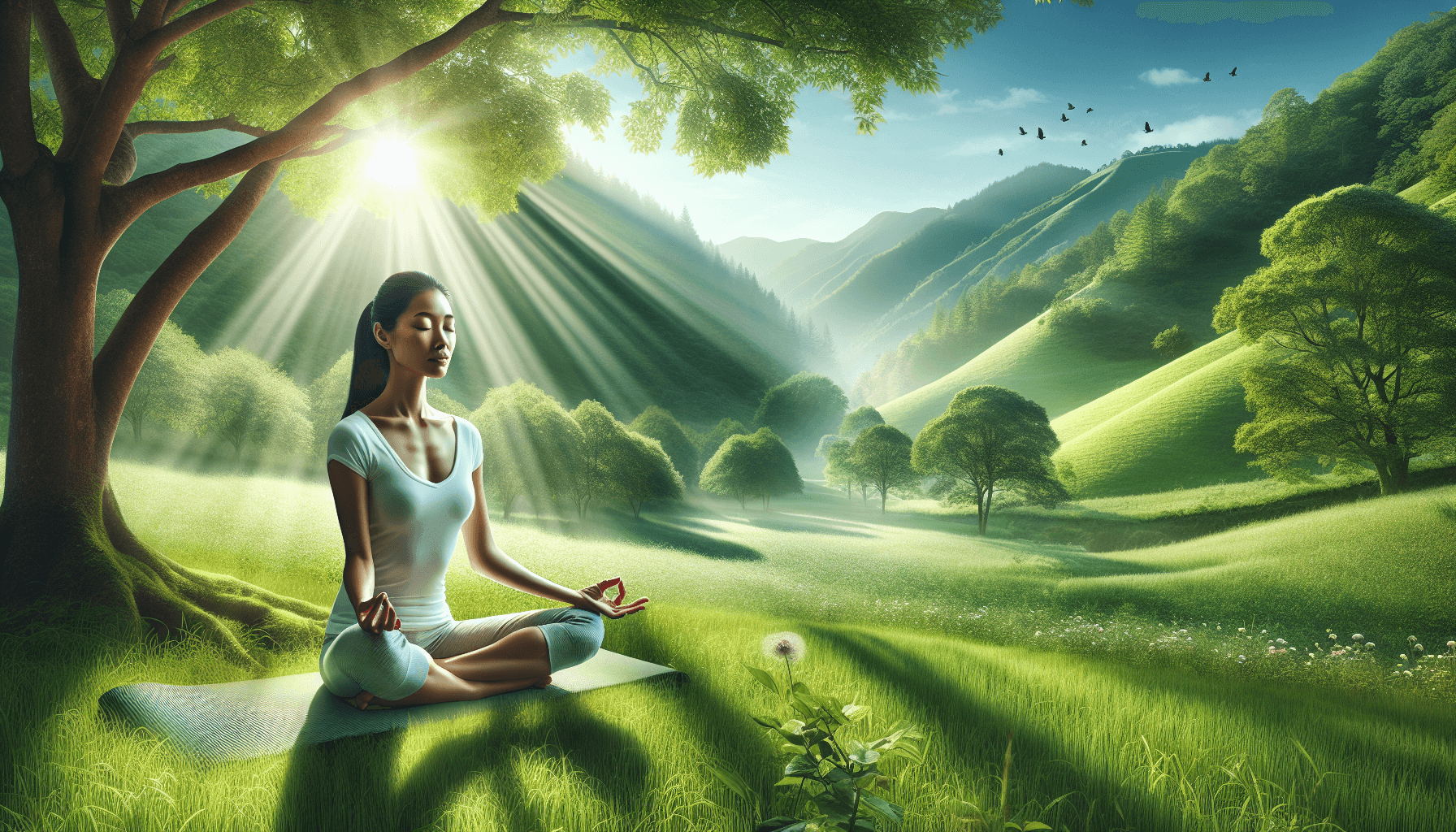

In a world where stress and anxiety often seem like constant companions, discovering emotional freedom through meditation has become more essential than ever. This article is crafted for individuals seeking to manage their emotions effectively and cultivate a sense of inner peace.
Whether you're a busy professional, a student juggling multiple responsibilities, or anyone in between, meditation offers a pathway to emotional freedom that can transform your life. It's important to note that meditation isn't exclusively for the spiritual or the deeply introspective; it's a practical tool anyone can use to enhance their emotional well-being.
The concept of emotional freedom through meditation might sound like a lofty ideal, but it's grounded in simple, accessible practices that can be integrated into any lifestyle. Interestingly, research supports the profound impact of meditation on emotional states. For instance, a study found that Emotional Freedom Techniques (EFT), a form of psychological acupressure, led to a 40% reduction in anxiety and a 35% reduction in depression among participants (Church et al., 2013). This statistic underscores the transformative potential of meditation and similar practices for achieving emotional freedom.
Meditation doesn't require hours of your day or a complete lifestyle overhaul. Instead, it invites you to carve out moments of stillness and reflection. This article will guide you through the essentials of meditation practices that can lead to emotional freedom, offering insights, examples, and practical advice to help you get started on your journey.
Understanding Emotional Freedom
Emotional freedom involves the ability to navigate your emotional landscape without being overwhelmed by it. It's about releasing the grip that negative emotions can have and instead fostering a sense of control and calm.
One advantage of achieving emotional freedom is the empowerment it brings—knowing that you have the tools to manage your emotional responses, no matter what life throws your way.
At its core, emotional freedom is about cultivating a state of mind where emotions are acknowledged but not allowed to dictate your actions or well-being. This doesn't mean suppressing emotions or pretending they don't exist. Instead, it involves recognizing them, understanding their roots, and choosing how to respond.
Meditation is a powerful ally in this process, providing a structured way to explore and manage emotions. As Devan Bailey, a personal development coach, aptly puts it, "Emotional freedom is the ability to cultivate the emotions you want irrespective of what's happening" (Valdes-Dapena, 2021). This perspective highlights the empowerment that comes with emotional freedom, emphasizing that it is within our control to shape our emotional experiences.
Side note: Emotional freedom is not about always feeling positive. It's about creating space for all emotions, understanding them, and learning to respond in a way that supports your overall well-being. This nuanced understanding of emotions can lead to healthier relationships, improved decision-making, and a greater sense of personal peace.
Benefits of Meditation for Emotional Balance
Meditation offers numerous benefits for emotional balance, making it an invaluable tool for those seeking emotional freedom. One benefit here is the reduction of stress and anxiety. Through regular meditation, individuals often find themselves better equipped to handle life's challenges without feeling overwhelmed or reactive.
Another advantage of meditation is its ability to enhance self-awareness. By turning inward and observing your thoughts and feelings, you gain insight into your emotional patterns and triggers. This self-awareness is the first step towards emotional freedom, as it allows you to understand and address the root causes of your emotions rather than just their symptoms.
Additionally, meditation fosters mindfulness, which encourages living in the present moment. This practice can help prevent rumination on past events or anxiety about the future, both of which can disrupt emotional balance.
By focusing on the here and now, meditation helps cultivate a calm and centered mind, providing a stable foundation for emotional freedom. For further exploration, consider reading about Enhancing Emotional Wellbeing through Regular Meditation Practices.
Different Meditation Practices to Explore
There are various meditation practices to explore, each offering unique benefits and approaches to achieving emotional freedom. Mindfulness meditation, for example, focuses on being present and fully engaged with the current moment. This practice can help you become more aware of your thoughts and feelings, allowing you to manage them more effectively.
Another practice to consider is loving-kindness meditation, which involves cultivating feelings of compassion and love towards yourself and others. This practice can soften negative emotions such as anger and resentment, replacing them with kindness and empathy. It's a powerful way to transform your emotional state and promote emotional freedom.
For those who prefer a more structured approach, guided meditation can be an excellent option. These meditations are led by a guide or teacher and can focus on various themes, such as relaxation, focus, or emotional healing. Guided meditations can help you explore different aspects of your emotional landscape, offering insights and techniques to foster emotional freedom.
To start your journey, you might find Starting Your Journey with Simple Meditation Practices for Beginners helpful.
Creating a Personal Meditation Routine
Creating a personal meditation routine is key to reaping the full benefits of meditation for emotional freedom. Start by setting aside a specific time each day for your practice. This consistency helps establish meditation as a regular part of your routine, making it easier to commit to over the long term.
It's also important to create a dedicated space for your meditation practice. This doesn't have to be a separate room; a quiet corner in your home will suffice. The key is to have a space where you can sit comfortably and without distractions. A benefit here is that having a designated space can signal to your mind that it's time to focus inward, enhancing the effectiveness of your practice.
Finally, be patient with yourself as you develop your meditation routine. It's normal for your mind to wander or for meditation to feel challenging at first. Remember, meditation is a skill that improves with practice. Over time, you'll find that your ability to focus and manage your emotions improves, leading to greater emotional freedom.
For more on developing a routine, check out Establishing a Consistent and Beneficial Meditation Routine.
Overcoming Common Meditation Challenges
While meditation offers many benefits, it's not without its challenges. One common obstacle is a restless mind. It's normal for thoughts to intrude during meditation, especially when you're new to the practice. The key is to acknowledge these thoughts without judgment and gently return your focus to your breath or chosen point of focus.
Another challenge is finding the time to meditate. In our busy lives, it can be difficult to carve out even a few minutes for self-care. However, keep in mind that even short sessions of meditation can be beneficial. Start with just five minutes a day and gradually increase the duration as you become more comfortable with the practice.
Side note: It's important to remember that meditation is a personal journey. What works for one person may not work for another. Be open to experimenting with different techniques and approaches until you find what resonates with you. This flexibility will help you overcome challenges and stay committed to your meditation practice.
For tips on fitting meditation into your schedule, you might find How to Integrate Meditation into Your Busy Daily Schedule insightful.
Success Stories and Personal Experiences
Many individuals have found emotional freedom through meditation, each with their unique journey and insights. For instance, one person might share how meditation helped them manage anxiety, allowing them to approach stressful situations with greater calm and clarity.
Another might recount their experience of using meditation to overcome a challenging period in their life, emphasizing how the practice provided them with the tools to process and release difficult emotions. These personal stories highlight the transformative power of meditation and its potential to foster emotional freedom.
By sharing these experiences, we can inspire and motivate others to explore meditation for themselves. Note that everyone's journey is different, and there is no right or wrong way to meditate. The key is to find what works for you and to remain open to the possibilities that meditation can offer in achieving emotional freedom.
Conclusion and Encouragement to Begin the Journey
In conclusion, meditation is a powerful tool for achieving emotional freedom, offering numerous benefits for emotional balance and well-being. By understanding the different meditation practices available and creating a personal routine, you can harness the power of meditation to transform your emotional landscape.
Remember, the journey to emotional freedom through meditation is a personal one, and it begins with a single step. Whether you're new to meditation or have been practicing for years, there's always room for growth and exploration. Embrace the journey and be patient with yourself, knowing that each moment spent in meditation brings you closer to emotional freedom.
So, why wait? Start your meditation practice today and discover the peace and freedom that await you. With each breath, you'll find yourself moving closer to a state of emotional balance and resilience, ready to face whatever life has in store with grace and calm.
References
Church, D., Hawk, C., Brooks, A. J., et al. (2013). Psychological trauma symptom improvement in veterans using emotional freedom techniques: A randomized controlled trial. Journal of Nervous and Mental Disease, 201, 153-160.
Valdes-Dapena, C. (2021). Emotional Freedom at Work with Devan Bailey. Retrieved from https://www.carlosvdapena.com/teaming-with-ideas/emotional-freedom-devan-bailey
