


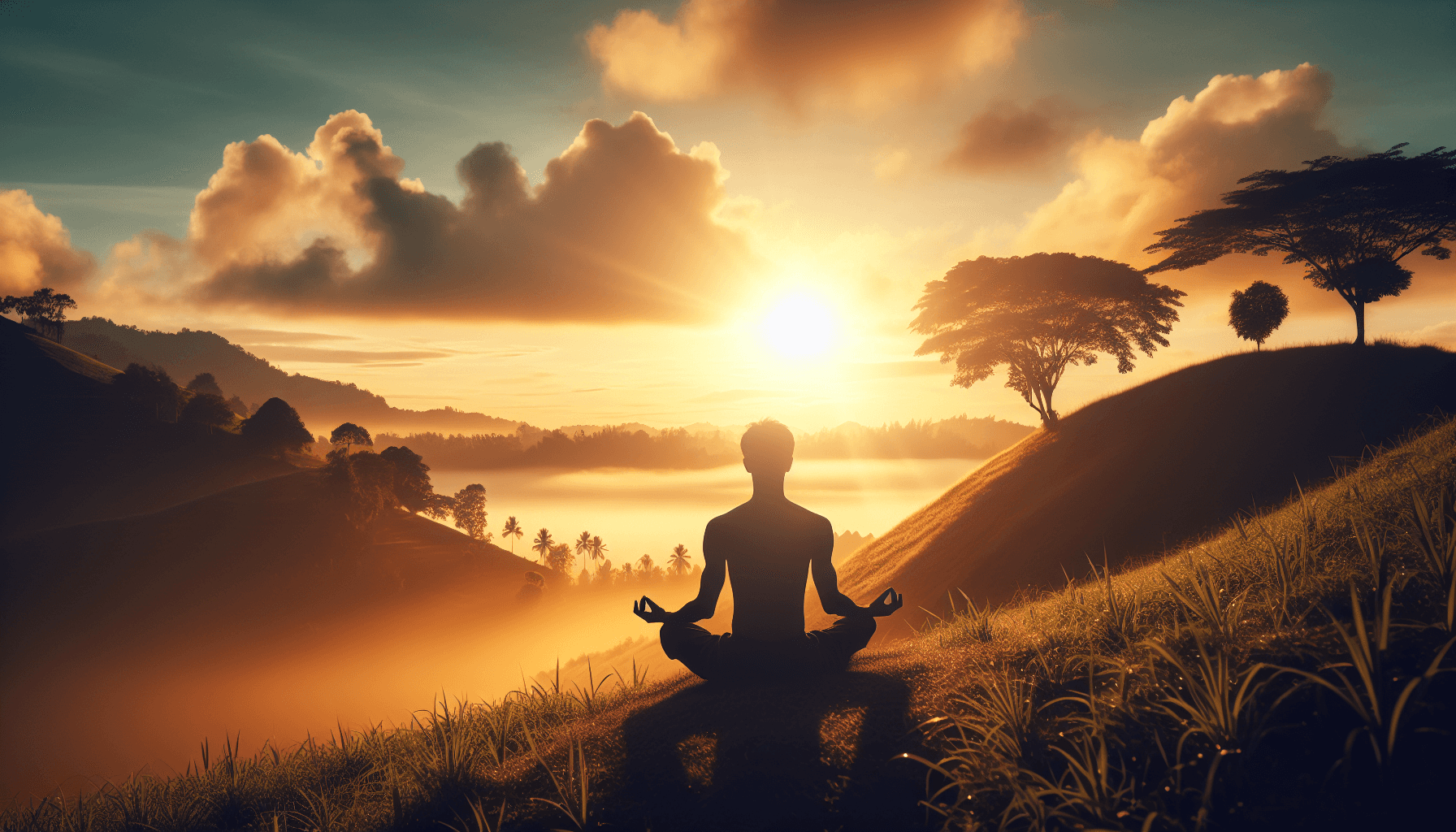

Exploring new horizons in life can be both an exciting and daunting endeavor. Many of us seek ways to broaden our perspectives, enhance personal growth, and find deeper meaning in our daily lives. Meditation offers a pathway to achieve these aspirations. This article is tailored for those seeking to enrich their lives and explore new possibilities through the practice of meditation.
Whether you're a seasoned practitioner or a curious beginner, you'll find insights and techniques to help you on your journey.
Meditation has been practiced for centuries, and its benefits are well-documented. However, the idea of using meditation as a tool to explore new horizons in life is gaining traction. Keep in mind that meditation is not just a practice but a lifestyle change that can open doors to new experiences and personal development.
In this article, we'll dive into the concept of new horizons, the role of meditation in personal growth, and practical ways to integrate meditation into your daily routine.
Understanding the Concept of New Horizons
New horizons represent the unexplored possibilities and opportunities that lie ahead in our lives. They are the goals and dreams that push us out of our comfort zones and compel us to grow. Note that these horizons are not necessarily distant or unattainable; they can be small, everyday changes that lead to significant personal growth.
The concept of new horizons is deeply personal and varies from person to person. For some, it might mean pursuing a new career path or developing a new skill. For others, it might involve cultivating deeper relationships or enhancing their emotional well-being. The key is to identify what new horizons mean to you and to embrace the journey of self-discovery.
A benefit here is that meditation can help clarify what these horizons are by providing a space for introspection and self-reflection. Through meditation, you can gain a clearer understanding of your desires, fears, and motivations, allowing you to set meaningful goals and take steps toward achieving them.
As Jesuit poet Gerard Manley Hopkins once said, "The world is charged with the grandeur of God." This sentiment beautifully encapsulates the vast potential that meditation can unlock, revealing the grandeur within our own lives as we seek new horizons.
The Role of Meditation in Personal Growth
Meditation plays a crucial role in personal growth by fostering self-awareness, emotional regulation, and mental clarity. One advantage of meditation is its ability to quiet the mind and create a sense of inner peace. This calm state allows you to reflect on your thoughts and emotions without judgment, leading to greater self-understanding.
Personal growth through meditation involves recognizing and letting go of limiting beliefs and patterns that hold you back. By practicing mindfulness, you become more attuned to your inner world, which can lead to profound shifts in perspective. This heightened awareness can inspire you to take action toward your goals and explore new opportunities.
Notably, a study published in the Journal of Personality and Social Psychology found that people who practiced meditation showed a 23% increase in life satisfaction compared to those who did not meditate. This statistic underscores the transformative power of meditation in enhancing one's overall quality of life.
Side note: Meditation is not a quick fix but a gradual process that requires patience and dedication. The more you practice, the more you will notice subtle changes in your mindset and behavior. Over time, these changes can lead to significant personal transformation and the exploration of new horizons.
Techniques to Incorporate Meditation into Daily Life
Incorporating meditation into your daily life doesn't have to be complicated. Start by setting aside a few minutes each day to practice mindfulness or deep breathing. One technique is to focus on your breath, observing the natural rhythm of inhalation and exhalation. This simple practice can be done anywhere and helps ground you in the present moment.
Another technique is guided meditation, where you listen to a recorded session that leads you through a meditation practice. This can be particularly helpful for beginners who may find it challenging to meditate on their own. There are numerous apps and online resources available that offer guided meditations tailored to different needs and preferences.
For beginners, you might find our Starting Your Journey with Simple Meditation Practices for Beginners guide helpful in easing into a routine.
Keep in mind that consistency is key. Try to meditate at the same time each day to establish a routine. Whether it's in the morning to start the day with clarity or in the evening to unwind, find a time that works best for you. As you become more comfortable with meditation, you can explore different techniques and styles to keep your practice engaging and effective.
Real-Life Examples of Transformation Through Meditation
Countless individuals have experienced transformative changes through the practice of meditation. For instance, consider the story of Sarah, a busy professional who struggled with stress and anxiety. By dedicating just 10 minutes a day to meditation, Sarah noticed a significant reduction in her stress levels and an improvement in her overall well-being.
Another example is John, who used meditation to overcome a period of depression. Through regular meditation, John learned to observe his thoughts without becoming overwhelmed by them. This newfound perspective allowed him to break free from negative thought patterns and embrace a more positive outlook on life.
These real-life examples highlight the potential for meditation to facilitate personal transformation. Note that while meditation may not solve all of life's challenges, it can equip you with the tools to navigate them more effectively and explore new horizons with confidence.
For those interested in stress relief, consider exploring our post on Effective Techniques for Meditation and Stress Relief.
Overcoming Challenges on Your Meditation Journey
As with any journey, challenges are inevitable when incorporating meditation into your life. One common challenge is maintaining focus during meditation. It's natural for the mind to wander, especially when you're new to the practice. A big plus is that meditation teaches you to gently redirect your focus back to your breath or chosen point of concentration without frustration or self-criticism.
Another challenge is finding the time to meditate amidst a busy schedule. Remember that meditation doesn't require hours of practice. Even a few minutes a day can be beneficial. Consider integrating meditation into your existing routine, such as during your morning coffee or before bed, to make it more manageable.
For more on fitting meditation into a hectic lifestyle, see our article on How to Integrate Meditation into Your Busy Daily Schedule.
Lastly, some may experience feelings of impatience or doubt regarding the effectiveness of meditation. Keep in mind that meditation is a skill that develops over time. Trust in the process and be patient with yourself. As you continue to practice, you'll likely notice subtle yet meaningful changes that reaffirm your commitment to the journey.
Tips for Maintaining Consistency in Your Practice
Consistency is key to reaping the benefits of meditation. One effective strategy is to create a designated meditation space in your home. This space doesn't have to be elaborate; it can be as simple as a corner with a comfortable cushion or chair. Having a dedicated space can help reinforce the habit of meditation and signal to your mind that it's time to practice.
Another tip is to set realistic goals for your meditation practice. Start with short sessions and gradually increase the duration as you become more comfortable. Setting achievable goals can prevent feelings of overwhelm and help you stay motivated.
Side note: Consider keeping a meditation journal to track your progress and reflect on your experiences. Writing down your thoughts and observations can provide valuable insights into your practice and serve as a source of inspiration on days when motivation wanes.
Conclusion and Encouragement for Future Journeys
Exploring new horizons in your life with meditation is a journey filled with potential for growth and self-discovery. As you embark on this path, remember that meditation is a personal practice that evolves over time. Be patient with yourself and celebrate the small victories along the way.
Meditation offers a unique opportunity to connect with your inner self and uncover new possibilities. A benefit here is that it empowers you to approach life's challenges with clarity and resilience. Whether you're seeking to enhance your well-being, pursue new goals, or simply find peace in the present moment, meditation can be a valuable ally.
In closing, I encourage you to embrace meditation as a lifelong journey. Be open to the new horizons it can reveal and trust in the transformative power of this ancient practice. With dedication and an open heart, you'll find that meditation can lead you to a richer, more fulfilling life.
