


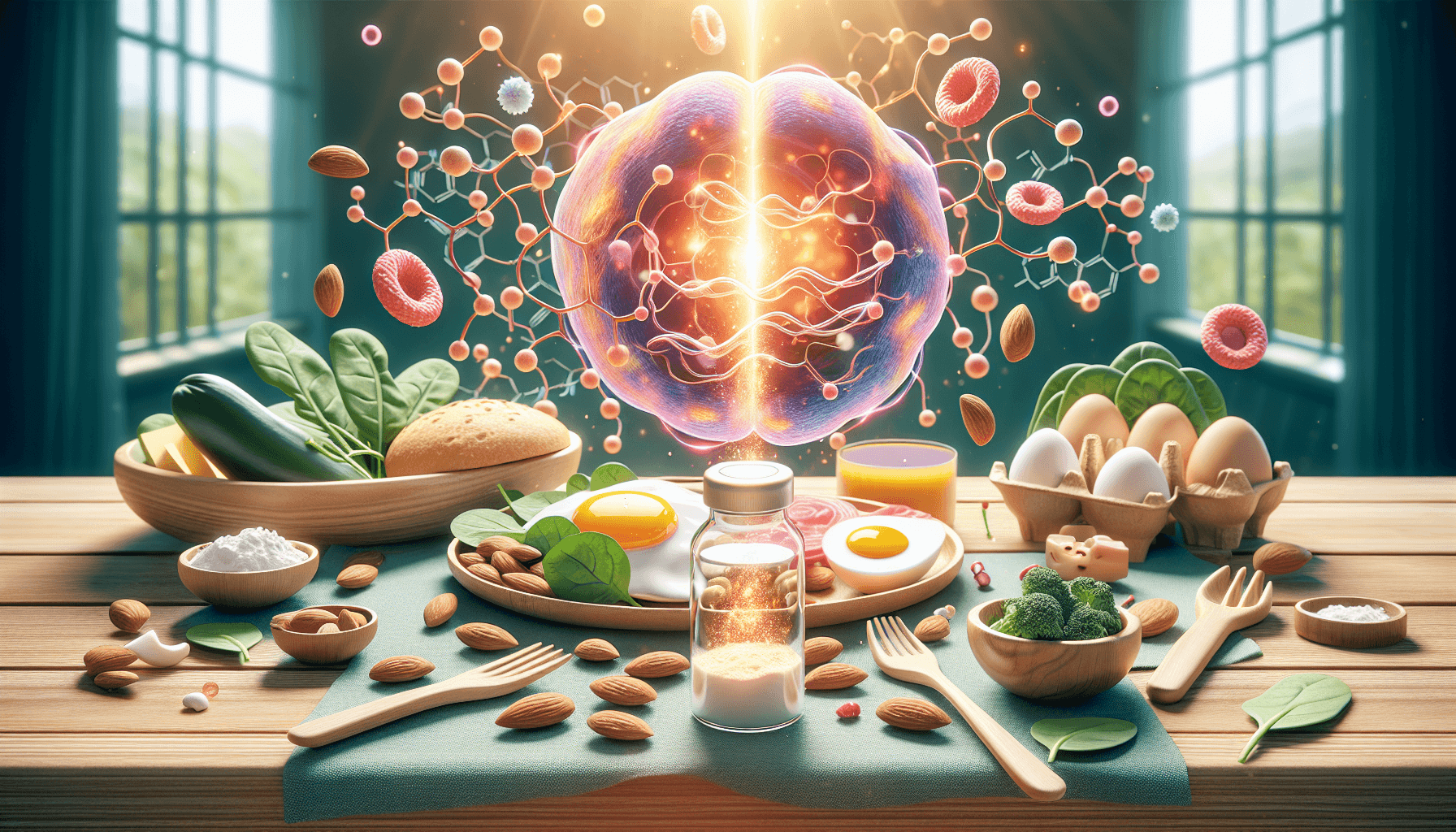

Vitamin B2, also known as riboflavin, is a crucial nutrient that plays a significant role in our energy production. This vitamin is essential for converting food into energy, acting as a catalyst in the metabolic processes that keep our bodies running smoothly. For those looking to boost their energy levels naturally, understanding the role of riboflavin is a great starting point.
According to a report by the National Institutes of Health, more than 90% of dietary riboflavin is in the form of flavin adenine dinucleotide (FAD) or flavin mononucleotide (FMN), which are critical for energy production and cellular function (NIH, 2021). This underscores the importance of riboflavin in maintaining optimal bodily functions and energy levels.
Tracy Lockwood Beckerman, RD, a nutritionist in New York City, notes, "Riboflavin is indispensable for converting food into energy, and without it, the energy production process becomes inefficient." This insight highlights the foundational role of riboflavin in our daily energy metabolism and the broader implications for overall health.
Riboflavin is part of the B-complex vitamins, a group of water-soluble nutrients vital for various bodily functions. While it doesn't directly provide energy, its role in energy metabolism is indispensable. Whether you're an athlete, a busy professional, or simply someone striving to maintain a healthy lifestyle, riboflavin can be an important component of your diet.
Despite its importance, many people are unaware of riboflavin's benefits and sources. This article aims to shed light on this essential vitamin, helping you make informed dietary choices. Let's dive into what riboflavin is, why it's important, and how you can ensure you're getting enough of it in your diet.
What is Vitamin B2 Riboflavin
Riboflavin, or Vitamin B2, is one of the eight B vitamins that are essential for human health. As a water-soluble vitamin, it dissolves in water and isn't stored in the body, which means you need a regular supply from your diet.
Riboflavin is a key player in converting carbohydrates into adenosine triphosphate (ATP), the energy currency of our cells. Without riboflavin, the energy production process becomes inefficient, leading to fatigue and other issues. Learn more about the Metabolism Boosters: The Power of B-Complex Vitamins.
One advantage of riboflavin is its involvement in the production of two major coenzymes: flavin mononucleotide (FMN) and flavin adenine dinucleotide (FAD). These coenzymes are critical for the metabolism of fats, drugs, and steroids, and they also aid in cellular function, growth, and development.
In essence, riboflavin helps your body perform optimally by supporting various metabolic pathways. Riboflavin is naturally present in many foods, added to others, and available as a dietary supplement. It's characterized by its yellow color and fluorescent properties, which can be observed in foods and supplements under ultraviolet light. Understanding these characteristics can help you identify riboflavin-rich foods and products.
Importance of Riboflavin in Energy Production
Riboflavin's role in energy production is pivotal, as it facilitates the breakdown of nutrients into usable energy. It's involved in the Krebs cycle, a series of chemical reactions used by all aerobic organisms to generate energy. Without riboflavin, this process would be significantly impaired, affecting how efficiently your body converts food into energy.
Riboflavin not only supports energy production but also aids in the conversion of other B vitamins into their active forms. For instance, it helps convert vitamin B6 into pyridoxal 5'-phosphate and tryptophan into niacin (vitamin B3). This interconnectedness means that riboflavin is a cornerstone for the proper functioning of other vitamins as well.
Riboflavin also contributes to maintaining normal levels of homocysteine, an amino acid in the blood. Elevated homocysteine levels are linked to an increased risk of cardiovascular diseases, so riboflavin indirectly supports heart health by helping keep these levels in check. For further insight, explore B Vitamins and Their Role in Cardiovascular Disease Prevention.
All these roles highlight why riboflavin is indispensable in our daily lives.
Sources of Riboflavin in Your Diet
One advantage of riboflavin is that it's found in a variety of foods, making it relatively easy to incorporate into your diet. Dairy products like milk, yogurt, and cheese are excellent sources. Eggs, lean meats, and organ meats such as liver and kidneys are also rich in riboflavin.
For vegetarians, leafy green vegetables, nuts, and whole grains can provide significant amounts. Many cereals and grains are fortified with riboflavin. In the United States, for example, breakfast cereals often contain 100% of the daily value for riboflavin. This fortification helps ensure that even if your diet lacks certain foods, you can still meet your riboflavin needs through these products.
Cooking methods can affect the riboflavin content in foods. Because riboflavin is water-soluble, boiling can cause the vitamin to leach into the water, reducing its availability. To preserve riboflavin, consider steaming or microwaving vegetables and opting for raw or minimally processed options when possible.
Riboflavin Deficiency and Symptoms
Riboflavin deficiency, though rare in developed countries, can lead to several health issues. The symptoms are often subtle and can include skin disorders, sore throat, swelling of the mouth and throat, and cracks at the corners of the mouth.
If left untreated, deficiency can result in more severe conditions like anemia and cataracts. Riboflavin deficiency often occurs alongside other nutrient deficiencies, particularly other B vitamins. This is because riboflavin plays a role in the metabolism of these vitamins, and a lack of one can affect the others. Therefore, it's essential to ensure a balanced intake of all B vitamins to maintain overall health.
One advantage of recognizing riboflavin deficiency symptoms early is that they are easily reversible with dietary adjustments or supplementation. By addressing the deficiency promptly, you can prevent long-term health complications and restore normal bodily functions. Learn more about Riboflavin (B2): Essential for Growth and Overall Health.
How Much Riboflavin Do You Need Daily
The recommended daily allowance (RDA) for riboflavin varies based on age, gender, and life stage. For adult men, the RDA is 1.3 mg per day, while for women, it's 1.1 mg. Pregnant and lactating women have higher needs, requiring 1.4 mg and 1.6 mg, respectively, to support both their own health and that of their infants.
It's important to note that the body's ability to absorb riboflavin is limited, so consuming it in small, regular doses throughout the day is more effective than taking a large amount at once. This approach helps maintain steady levels of riboflavin in the body, supporting continuous energy production and metabolic functions.
Riboflavin toxicity is rare, as excess amounts are usually excreted in the urine. However, it's always wise to consult with a healthcare professional before starting any supplementation, especially if you have underlying health conditions or dietary restrictions.
Tips for Maintaining Adequate Riboflavin Levels
To maintain adequate riboflavin levels, focus on incorporating a variety of riboflavin-rich foods into your daily meals. Consider starting your day with a fortified breakfast cereal or a smoothie made with yogurt and leafy greens. Snacking on almonds or a hard-boiled egg can also provide a riboflavin boost.
A diverse diet ensures sufficient riboflavin intake and supports overall nutrition. By including different food groups, you can benefit from a wide array of nutrients that work together to enhance health and well-being.
Some lifestyle factors, like excessive alcohol consumption and certain medications, can affect riboflavin absorption. If you suspect that your lifestyle may be impacting your riboflavin levels, it might be beneficial to discuss dietary adjustments with a healthcare provider or a nutritionist.
For more insights, check out B Vitamins and Brain Health: Keeping Your Mind Sharp.
Conclusion
In conclusion, riboflavin is a vital nutrient that supports energy production and overall health. While it may not be the most talked-about vitamin, its role in converting food into energy and supporting other bodily functions makes it indispensable.
By understanding the importance of riboflavin and ensuring a balanced intake, you can enhance your vitality and well-being. A well-rounded diet rich in riboflavin-containing foods is usually sufficient to meet your daily needs.
However, if you have specific dietary restrictions or health concerns, consulting with a healthcare professional can provide personalized guidance. Embrace the power of riboflavin and let it fuel your journey to a healthier, more energetic life.
References
- National Institutes of Health. (2021). Riboflavin - Health Professional Fact Sheet. Retrieved from https://ods.od.nih.gov/factsheets/Riboflavin-HealthProfessional/
- Mount Sinai. (n.d.). Vitamin B2 (Riboflavin) Information. Retrieved from https://www.mountsinai.org/health-library/supplement/vitamin-b2-riboflavin


